How much of what you worried about today could you actually change?
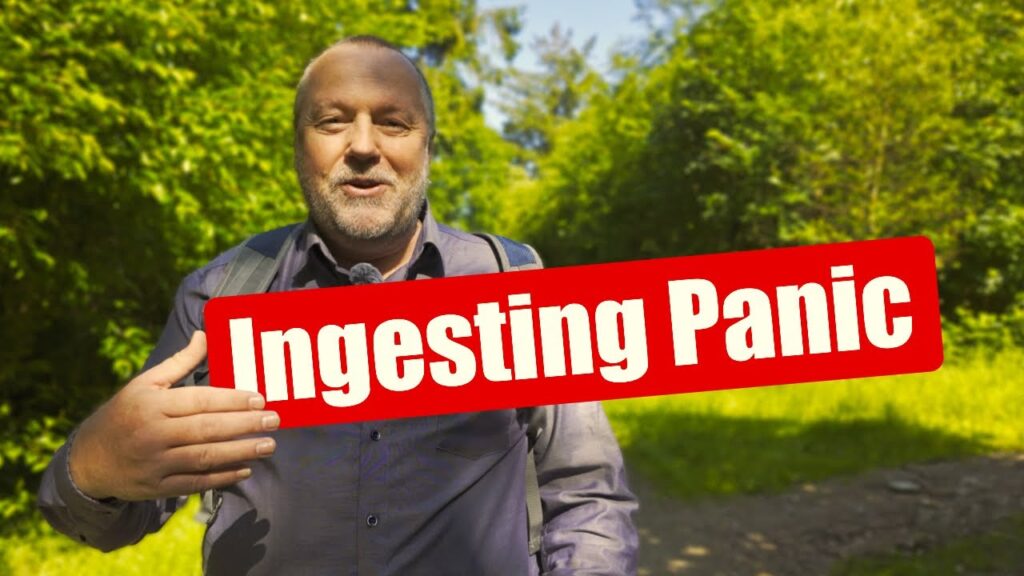
In this talk of about fifteen minutes, Hans speaks alone about the endless stream of alarming news and opinions, and what it does to us when there is little we can do about it. He offers a gentle image of a small garden of opinions that we water every day.
This is a personal reflection offered as one voice among many. It is not psychological or professional advice. Caring about the world is not wrong, and he does not tell anyone to stop being informed.
Cooking something and having to eat it
Hans starts by describing a familiar evening: scrolling, watching a big screen, taking in frightening, outrageous or unjust stories. It is like cooking something and then having to eat it, he says, and it may sit badly in the stomach. These are real problems, he acknowledges, but in that moment we are only watching and “digesting” them.
Talking, worrying, and then what?
The next day we meet someone and say, “Did you see this?” Others reply with something even worse, and we keep talking. Hans asks what can actually be done. Some people support those who can act, write letters or join groups, and he notes that some even join the army, though he says that is not for him. For much of what we ingest, he says, there is nothing we can do, so why spend so much energy and focus on it, as though someone were paying us to keep worrying?
Professionals of attention
He observes that presenters and commentators are skilled at holding our attention: beautiful people, elegant words, good lighting, replays that create emotion. Our opinion of someone can flip with one clip. Yet do we personally know the person we have an opinion about? Hans suggests that we often do not, and that even that person may not know much about himself.
The garden of opinions
Hans uses a picture of a small garden in which our opinions and ideas are plants. Each day we water them with more details and breaking news, and invite others in to admire or discuss them. He compares this to trying to draw a single tree: there is endless information, and a news event can keep us occupied for weeks or years.
You are in charge
His advice is short. You can choose your point of view and where to put your attention. Next time you add something to your garden, add something nice, calming or relaxing, because panic and desperation are, in his words, a waste of time. He closes by inviting comments.
How to read it
This article is based on auto-generated captions, so details may differ slightly from what was said. The talk is a call to choose our focus, not to look away from suffering or ignore civic duty. Others on this channel would say that staying with difficult events and acting on them is itself a spiritual path, and both views can be held together.
Questions to take with you
What did you last read or watch that left you with a heavy feeling and no action to take? What would you like to plant in your garden instead? A related talk on this site is Is AI Stealing Your Life? Guardrails, Your Own Opinions and the One Knowledge AI Cannot Give. Watch the video above and tell us in the comments what you took from it.