Do you notice when a bad mood has quietly taken over your day?
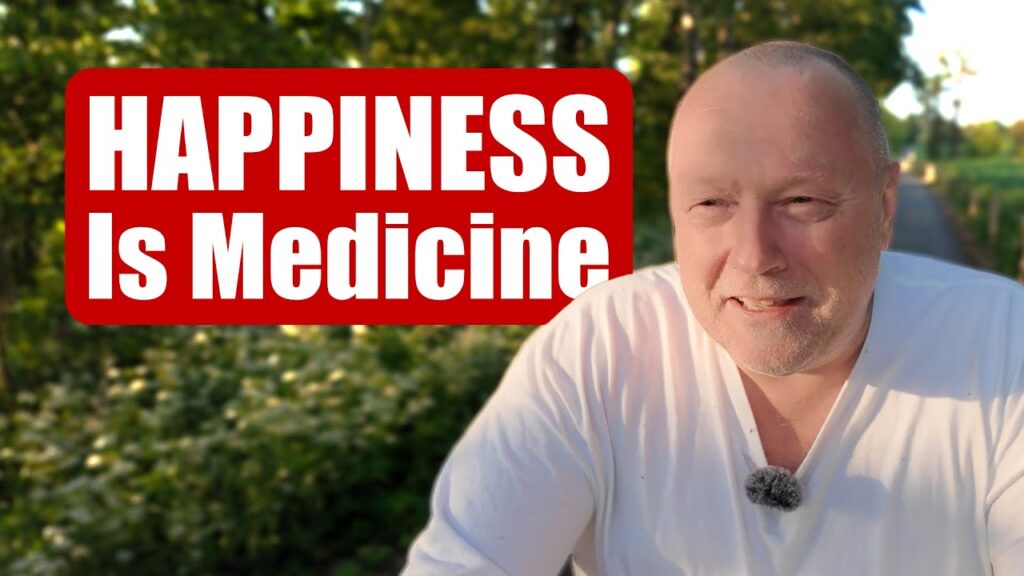
In this talk of under fourteen minutes, Hans speaks alone while driving through northern Germany on a rare sunny day. He argues that our state of mind matters for how we live, and offers a few questions to ask yourself when a mood turns sour.
This is a personal reflection offered as one voice among many. It is not medical advice, and a good mood is no replacement for treatment. If you are unwell or low for a long time, please talk to a doctor or qualified professional.
Time and the wish for more of it
Hans begins with the relativity of time: a few minutes of driving fly by, while a dentist’s waiting room drags. Most of us would like a long life, he says, because time opens possibilities. His message is that a good mood is one thing within reach that may help.
Notice the bad mood
He asks viewers to observe themselves and recognise when they are in a bad mood, and to remember, as he puts it, that this shortens life. He admits that this is his own conviction and speaks of it in simple terms. A mood, he says, can be held for a long time if given attention. A grudge grows if you feed it daily or make it your favourite topic. Yet he also points out that many old irritations simply fade when we lose interest, until someone reminds us and we take the grudge “out of the cupboard” and polish it again.
Questions that turn the day
His practical suggestion is to ask yourself questions: What makes me happy? What can I do to be in a good mood right now? What would I really enjoy doing at this moment? Then act on the answers. Watch a funny film, call someone you have not spoken to for a long time, remember good things. He says laughter and happiness support the immune system and describes this as scientifically proven, though he does not name any study, so treat it as his claim rather than a medical fact.
Problem or blessing
Hans says that difficulties can be seen as a problem or as a push to do something new. His example is a person with diabetes who might eat fewer sweets and learn to enjoy the sweetness of an avocado. He reminds viewers that nothing stays the same and that getting old may bring problems, “but not today”. His closing line is that if we hold on to bad moods we “miss the party”, so we may as well enjoy ourselves.
How to read it
This article is based on auto-generated captions, so details may differ from what was said. The talk is casual and encouraging, and its claims about mood, immunity and life span are general and personal, not clinical evidence. Many people live with low mood or illness that cannot simply be laughed away, and other guests on this channel speak about those experiences with more gravity.
Questions to take with you
Which grudge are you feeding right now, and what would happen if you let it go quiet? What is one small thing that would make you laugh today? A related talk on this site is How to Let Go in Hard Times: Allow, Ask, Relax. Watch the video above and tell us in the comments what you took from it.