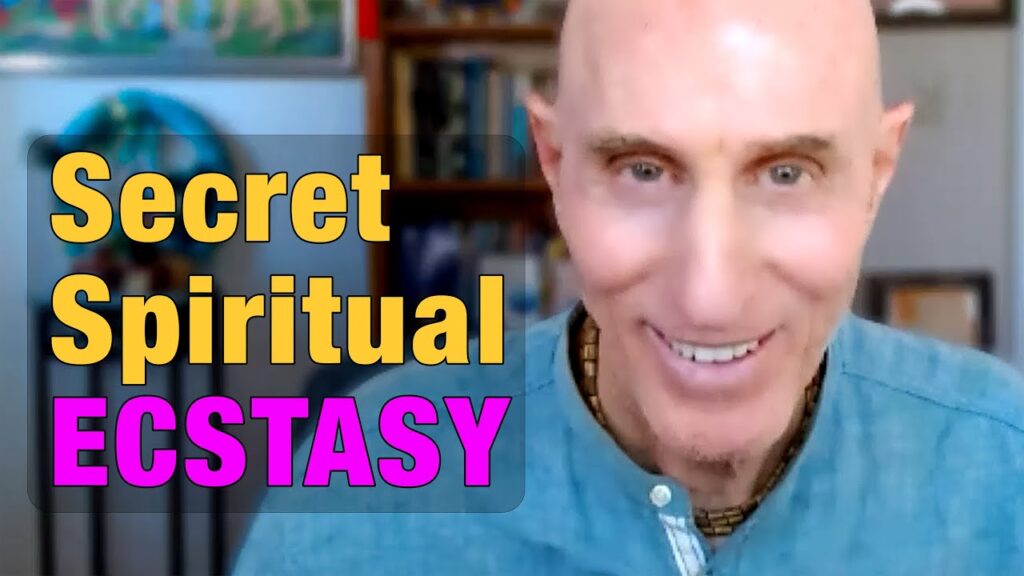
What leads a surfer and guitar player from the hippie era to give it all up and become a monk?
In this conversation of about forty-nine minutes, Hans speaks with Mahatma Das, who was born in Los Angeles in 1950, studied at Berkeley, and joined a Hare Krishna ashram at 19 after reading the Bhagavad Gita. He now teaches, writes books, makes music and leads retreats, and speaks about his path and what he thinks it means to be spiritual.
This is a personal summary of one guest’s story and beliefs, offered as one voice among many. Mahatma Das speaks for himself and his tradition; nothing here is medical, psychological or legal advice.
A teenager of the hippie years
Mahatma Das says that as a teenager his life was guitar, surfing and skateboarding, and that he began meditation at about 17. At Berkeley, he jokes, he studied how not to go to school and still get good grades, and was not career-minded because he did not know who he was or why he was here. He recalls a philosophy professor who told the class they need not attend because he could not teach them anything, and he says that this fitted how he felt himself.
A voice in a bookshop
He tells of walking into a Berkeley bookshop although he did not read books, and pulling the Bhagavad Gita off the shelf as an inner voice told him to read it. Reading it, he says, felt like recognising something he already knew but could not put into words. He dropped out of university, moved into the ashram, and took up vows of vegetarianism, no intoxication, no illicit sex and no gambling, plus two hours of chanting daily. He says it felt powerful and that his first year there taught him more than the rest of his life.
From head knowledge to practice
After years of teaching philosophy, he says, he noticed that understanding something is not the same as living it. He began combining psychology with spiritual practice and warns against “spiritual bypass”, using spirituality to avoid what we do not want to face. Today he runs seminars and retreats, writes books and makes music, and says he has been to India about thirty-five times. He lives near a community of about 700 people in Florida.
Music as service
He says he gave away his guitar when he became a monk and returned to music later, when it needed to be expressed. In his tradition, he says, the principle is to do whatever you do as service, not for the ego, whether the measure is likes or hits. He contrasts a lifetime of singing “baby I love you” with prayers and the names of God, and says that if one person benefits, it is successful.
What “spiritual” means
For him the baseline is understanding you are a spiritual being, not just a body, which should bring some detachment, self-discipline and tolerance. He says a belief becomes an experience when one sees qualities like kindness and forgiveness developing. On “fake it until you make it”, he says you cannot fake spirituality but you can practise it, for example saying something kind when you feel angry, and he adds that it is only honest if you know you are practising. He also mentions an early experience with a psychedelic drug that made him feel happy while thinking that happiness should be possible without it.
How to read it
This article is based on auto-generated English captions and draws mainly on the first part of a long conversation, so some details may differ from what was said. Mahatma Das’s statements about the soul, reincarnation and past lives are convictions of his tradition, and other guests on this channel see these questions differently. His comments on drugs are personal and not advice.
Questions to take with you
What practice would you try even on days you do not feel like it, and what might it grow into? And where in your life are you serving something larger than your ego? Related conversations on this site include From Worldly Life to Monk: Rishi Aaradhakananda on Devotion, Mantra and True Happiness. Watch the video above and tell us in the comments what you took from it.