What would you build if you thought of every day as training for the last one?
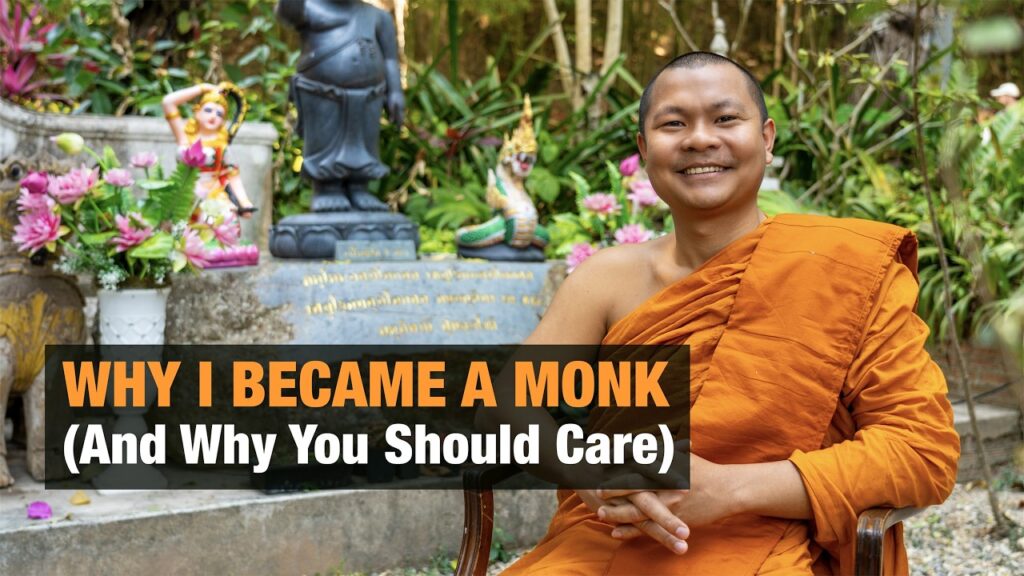
In this conversation of about twenty-one minutes, Hans speaks with a Buddhist monk, addressed as Phra, who has lived in a temple for ten years and recently finished a master’s degree in Buddhist studies. He tells why he stayed in the robes, and shares Buddhist views on respecting other faiths, suffering, inner wealth and death.
This is a personal conversation offered as one voice among many. The monk speaks from within his own tradition, and nothing here is established fact, medical advice or a replacement for support in times of loss.
Becoming a monk at eleven
He says he was ordained as a novice at eleven, as part of a family culture in which men spend some time as monks. His father, uncle and grandfather had done so, and the belief is that such training gives inner strength for later life. He was one of nine boys ordained at the time and says he is the only one still in the robes. He chose to stay, he says, after a turning point, finding value in a daily rhythm of study, practice and living among practitioners, and in the chance to give back.
Why respect other religions
As he sees it, people come from almost the same root and are shaped by different cultures and ideas, which then lead to identities and discrimination. Reflecting on that shared root, he says, helps us see strangers as friends he calls “unknown friends”. He believes everyone has the seed of awakening, but that each person finds their turning point in their own time, often through suffering, so we cannot force anyone to awaken.
A rare human life and inner wealth
He retells a Buddhist commentary image: a blind turtle surfacing once every hundred years and passing its head through a floating ring, as an illustration of how rare a human birth is. Do not be careless with it, he says. He suggests treating hardships as an exam, a chance to build qualities such as patience, and distinguishes external wealth from inner wealth, meaning good deeds, merit and the wisdom gained in meditation, which he says no one can steal.
Death as natural law
The monk says the right view is to see death as common to all, neither wonderful nor terrible, part of a natural law of arising and falling. The key is to train the mind before that day comes, through right speech, right action and right livelihood. He explains merit-making ceremonies for the deceased as also a training in kindness for the living. He cautions against the idea of living carelessly and thinking good thoughts only at the end, since we do not know when death will come.
How to read it
This article is based on auto-generated English captions, so some details may differ from what was said, and the monk’s name is not clear in the captions. His descriptions of karma, merit and rebirth are Buddhist teachings held as convictions, not established fact, and other guests on this channel, including Buddhists, may put things differently. If you are grieving, please be gentle with yourself and reach out to people you trust.
Questions to take with you
What kind of inner wealth are you saving up, and what do your habits say about it? How would you meet a difficulty if you saw it as an exam rather than a problem? Related talks on this site include “No Need to Be Buddhist”: Master Phra Moon on Karma, Meditation and a Path Open to Everyone. Watch the video above and tell us in the comments what you took from it.