When we die, what will happen to us?
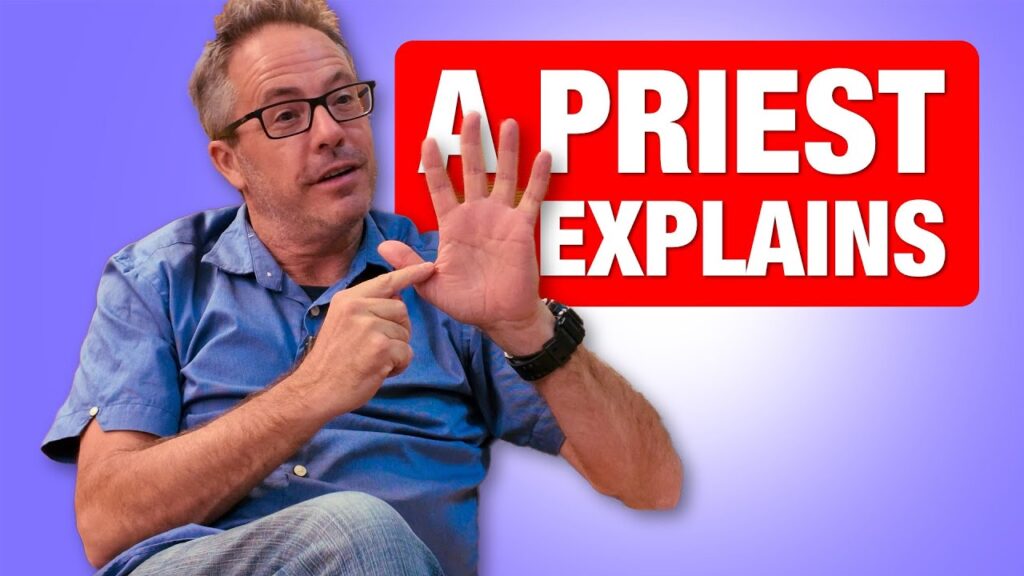
In this video of about fifteen minutes, Hans talks with Matt (Mateo in Spain), a Catholic priest from New Zealand who directs a pilgrim hostel on the Camino de Santiago. He tells how he drifted from the church and came back, why he thinks faith needs both reason and surrender, and gives the traditional Catholic answer to the question of death.
This is a personal reflection from within the Catholic tradition, offered as one voice among many. Matt speaks only for himself, and nothing here is an endorsement of any belief as fact or a substitute for medical or other professional advice.
Away from the church, and back
Matt says he grew up with faith as a normal part of life and was an altar boy. For about ten years as a young adult he was away from the church, never rejecting it but with “better things to do”. He describes a hedonistic life that, with time, felt empty and ultimately boring. When he returned to faith, he says, it was like the shutters coming off: a return to who he had always been. He entered the seminary at 27 and, as a member of the Marist order, spent most of his priestly life teaching in schools before being asked to direct the hostel in Spain.
Questions, reasons and the leap
He says he was determined to question everything, and found the questions had been asked many times over 2,000 years by people far more intelligent than himself. He notes a recent growth of interest in the faith among young men in some European countries, which he links to good teaching resources online. In his view faith needs reason, otherwise it is just philosophy, and reason alone cannot take you all the way: there comes a moment of saying yes to God, which can be scary because it means handing over control.
Everyone carries a backpack
He says a deep spirituality is always a letting go of control, and that no one does it perfectly. Everyone, he says, carries a backpack of wounds from childhood and from their parents before them. Because we are bodily creatures, he adds, we worship with our bodies: kneeling, making the sign of the cross, or walking the Camino.
Judgment and mercy
Asked what happens when we die, Matt says that as a priest he gives the traditional Catholic answer: you will be judged. He describes a particular judgment after death, according to faith and works, “fundamentally according to your love”, and a final judgment at the end of time. He says God does not send people to hell; people send themselves there by refusing the truth. Mercy, he argues, is not a get-out-of-jail-free card, and it depends on honestly owning what one has done. He suggests the powerful are most at risk because they may refuse to see the harm they caused. These are his statements of Catholic teaching and of his own understanding, not claims we can verify.
Practise in the little things
The practical side, he says, is training in small matters. He gives the example of an evening when 29 pilgrims turned up for dinner instead of the 15 on the list: a frustration, but one where he tried to tell himself it does not really matter. He believes practising love, forgiveness and handing over control in little things builds the spiritual muscle for bigger ones. And since life itself was given and not earned, he says, we should treat everything as a gift and not as an entitlement.
How to read it
This article is based on auto-generated English captions, so some details may differ from what was said. Matt’s views on judgment, hell and mercy are convictions of one Catholic priest; other guests on this channel, including other believers, see death and the afterlife very differently, and some find these ideas troubling. We do not present them as established fact.
Questions to take with you
What is the small thing this week where you could say “this doesn’t really matter”? What would change if you treated your life as a gift rather than something owed to you? Related talks on this site include My Life Was Over, Then I Walked the Camino. Watch the video above and tell us in the comments what you took from it.