Can you be spiritual without belonging to a religion?
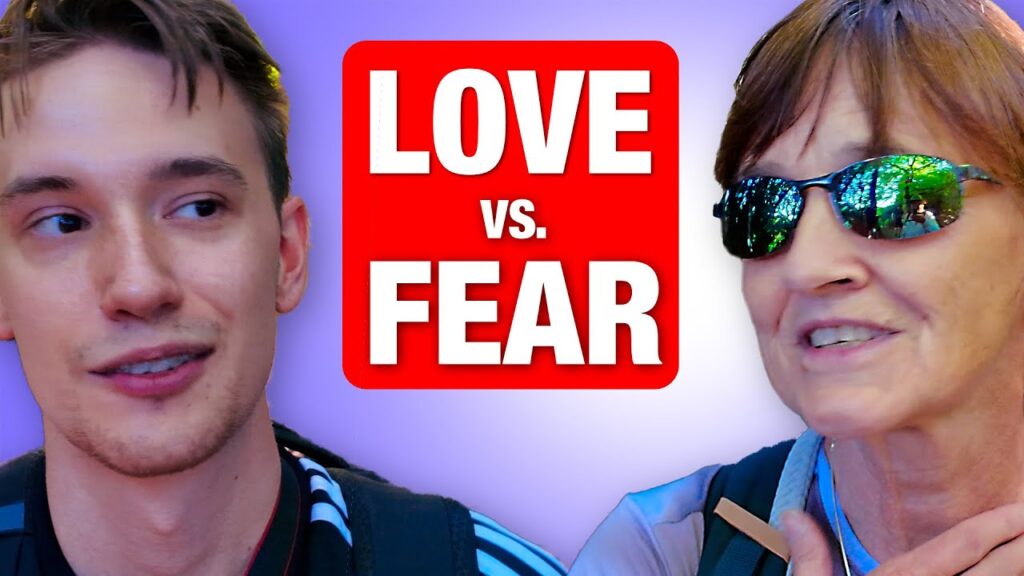
In this video of about seven and a half minutes, Hans speaks with Agnes and her son Noah, who are from Canada and have just finished the first day of a short section of the Camino de Santiago together. They talk about a walk they dreamed of for about ten years, how each of them relates to spirituality, and what they think about death.
These are personal views, offered as one voice among many. Agnes and Noah speak only for themselves, and nothing here is an endorsement of any belief as fact or a substitute for medical or other professional advice.
A long-dreamed walk
Noah says walking the Camino together was something they had wanted to do for about ten years. It was his mother’s idea, he says, and she showed him how it works when he was around 13 or 14. They describe a good first day: they woke at 6, in the dark, got going as soon as it was light, and both are keen hikers. Noah notes that you walk for hours each day, tired and sore, which makes it a good time and space to connect with someone.
Two paths outside organized religion
Agnes says she was raised in a specific religion, but at some point her life and views no longer fitted, so she began exploring values and the world on her own, and found spirituality outside an organized religion. Noah says he was raised far outside any structured tradition. He sees that organized religion gives many people purpose and belonging, and says he has had moments of feeling something bigger than himself. He has not found a community or structure that fits, but is open to it.
Curious, but not certain
Agnes describes herself as always investigating and asking questions, through reading and personal experience, but never deciding to pick one thing and stick with it. Noah says he cannot say he believes in a God, though he would not refuse to accept it if he found proof. He adds that parts of organized religions do not feel morally right to him, and that any label he gives himself should be one he is fully comfortable with.
Love instead of fear
Agnes says life is a series of choices, and the basic choice in every situation is a loving response or a fearful one. Choosing love is part of her spiritual path, she says, and she gets tearful saying so. Asked what happens when we die, she says she does not really know and is trying to be okay with that. She thinks it will probably be the end of her time in this body, that there will perhaps be something, and that it may reflect the choices made each day. She does not think there is a place like hell, but suggests we may create or choose it moment by moment. Her advice is to stay curious and keep asking questions, even when you feel you have found an answer.
How to read it
This article is based on auto-generated English captions, so some details, and who said which line in the shared passages, may differ from what was said. What they say about death and choice is personal reflection, not established fact, and both speakers stress that they do not know. Other guests on this channel hold firm religious convictions and see these questions differently.
Questions to take with you
In a recent situation, which response was the loving one and which was the fearful one? What question about life are you willing to keep asking without needing an answer yet? Related talks on this site include Why Not Live Like on the Camino?. Watch the video above and tell us in the comments what you took from it.