Why would anyone spend a month walking when a plane could cover the distance in two hours?
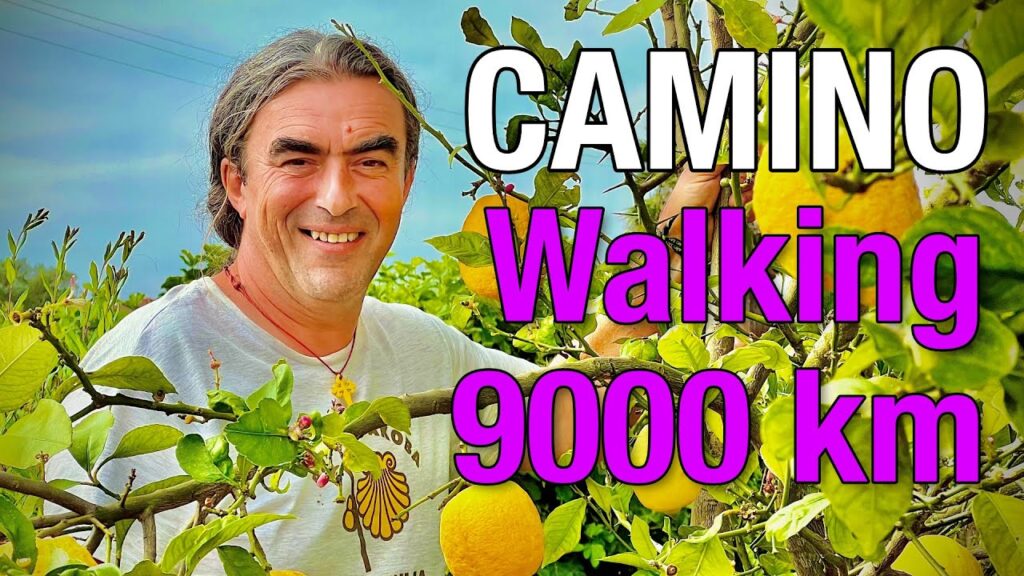
In this video of about twenty-seven minutes, Hans speaks with Paul, who says he grew up near the Camino and has spent time both as a pilgrim and as a hospitalero, a volunteer host. He talks about why he walks, what spirituality means to him, death, animals, and what he would tell someone who feels called to go.
This is a personal conversation, offered as one voice among many. Paul speaks only for himself, and nothing here is medical, legal or professional advice.
Slowing down to reach the inner self
Paul says his life was for a long time “on rush”, following normal social standards, and that living that way takes you away from your inner self. The Camino, he says, gives him the time to slowly open that inner self again. He likes that it is a complete way of travelling: you take what comes, whether a lovely village or a stretch of asphalt, and you learn more from handling what you do not like than from what you enjoy. He also describes walking for people who cannot, and mentions sending photos to a woman who has used a wheelchair for decades and loves to see the world through his eyes.
Spirituality as small, practical care
Asked what spirituality is, Paul says it is a complex question and that answers often come in indirect forms if you learn to read the signs. For him it begins with being human: watering plants that cannot move to find water, caring for those who cannot look after themselves, and meeting needs rather than wants. He describes feeling connected to nature through small threads and says he can watch animals for hours. He is sceptical of reaching for advanced practices before the basics are in place, comparing it to building a cathedral, where good foundations come first. Each person, he adds, has a different strength and faith, so each must find their own way.
Falling, standing up, and small acts of sharing
Having walked, he says, with people with serious illness or disability, he finds it inspiring when someone stands up again after things go wrong, even without knowing what to do next. Small gestures, such as a stranger offering fruit, make his day. He suggests that space inside yourself lets you actually feel a view or a kindness rather than only say it is beautiful.
Death, humanity and the animals around us
On death, he calls it a natural passage and the end of a cycle, and says people who lived fully and honestly tend to face it more calmly. He is unsure what happens afterwards and offers a tentative thought that a soul might return until things are in balance, saying plainly he is not certain. Being human, to him, means seeing that everyone’s life can be hard and respecting life and nature. He also talks about his affection for animals and walking carefully so as not to step on the many snails or butterflies on the path.
Advice for someone who feels the call
He recommends a longer walk rather than a few days, because the first days only adjust body and mind. His main advice is to go without expectations; he says lowering expectations lets things come in, and that you leave with tools for daily life.
How to read it
This article is based on auto-generated English captions, so some names and details may differ from what was said. Paul’s views on death, souls and spirituality are personal convictions, and other guests on this channel see them differently. What many listeners may recognise is the idea of making space, lowering expectations and caring for what is small.
Questions to take with you
Where in your life are you “on rush”, and what would give you time to reconnect with yourself? What would it mean to start a journey without expectations? Related talks on this site include The Camino Provides What You Always Had. Watch the video above and tell us in the comments what you took from it.