If the lines on your hands reflect how you think, could they change when you do?
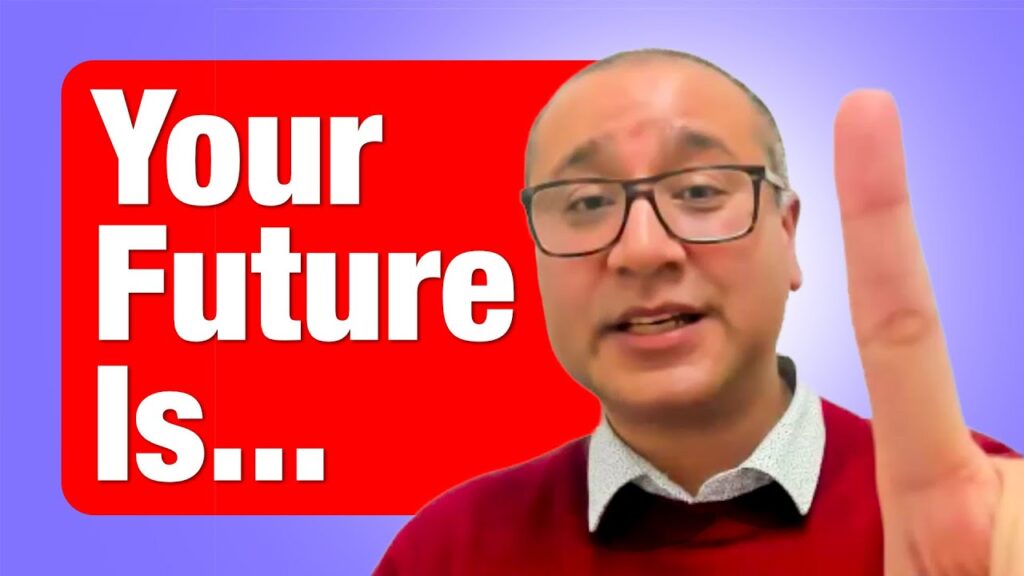
In this conversation of about fifty-two minutes, Hans talks with Dr Sulabh Jain, a Sydney-based palmist with a background in software engineering. Sulabh describes how he came to palmistry, how he understands karma and free will, his work on music built around mantras, and some predictions of his own.
This is a personal conversation offered as one voice among many. Palmistry, astrology and predictions are beliefs and opinions, not established fact, and nothing here is medical, financial or legal advice.
Engineer, guitarist, palmist
Sulabh says his grandfather taught him palmistry as a child and another grandfather trained monks. He describes a teenage heavy-metal and atheist phase, a career as a software engineer and a company that did well in the dot-com years, and then a return to palmistry full time. After selling the company, he says, he read scriptures from many traditions and found that they all said the same two things: calm the mind and connect to a higher source.
How palmistry works, in his view
Sulabh says most lines on the hand are formed by the brain, so a hand shows how someone thinks, and from that he can say where their life is heading. He says he completed a PhD in 2018 combining palmistry with modern psychology, studying childhood trauma and the lines. He claims that clients who meditate can, over about six months, show changes in their lines. We have not seen the research, so this should be read as his claim.
Free will and karma
Asked whether life is fixed, he answers “yes” to both free will and predetermination. He reads four kinds of karma: from past lives, from this life, from family and from society. In his example, a broken line for the maternal grandmother can point to a difficult marriage, because a grandmother teaches the mother how to love, and she teaches you. In his view the choices are yours, but their consequences follow, and “wisdom breaks your karma”. He compares the general template to a life where you can have one marriage or three.
Two voices and non-duality
Sulabh describes two voices in the mind, the one that says what you think you want and the one that says what you will get, which Hans likens to ego and an inner God. He follows what he calls the Indian tradition, Sanatan Dharma, and finds Advaita Vedanta fascinating, seeing non-duality as a first step to connecting with a higher source.
Mantras, 60 beats and music
He explains mantras as a way of regulating breath and so heartbeat, with an ideal of about 60 beats per minute. He links this to the 60 seconds in a minute, the golden ratio and musical scales. He describes an app he is rebuilding that embeds mantra frequencies in music, and a study he says was run through a university in a psychiatric prison in Pakistan, in which inmates listened with headphones for fifteen minutes a day for 48 days and, in his account, about half came off their medication. These are his claims, and nobody should change medication based on a video.
Markets, AI and a prediction
Sulabh also says he makes stock and crypto predictions using the golden ratio and thirty-year technology cycles, and that he predicted the AI boom. Near the end he says he believes there will be a financial disaster at the end of 2026, followed by a spiritual awakening in the years after. This is his personal prediction, not a forecast we endorse, and it is not financial advice.
How to read it
This article is based on auto-generated English captions, so details and spellings may differ. Many statements here, such as how lines form, numerology of 60 and the prison study, are Sulabh’s own and we have not verified them. Others on this channel see free will, fate and prediction very differently, and a hand reading is best taken as a reflection, not a verdict.
Questions to take with you
Which patterns in your family do you recognise in yourself, and what would it take to change one of them? What would you want to know about your future, and what would you do with the answer? Related talks on this site include Nonduality and Sikhism: Darpana on Ek Onkar & Free Will. Watch the video above and tell us in the comments what you took from it.