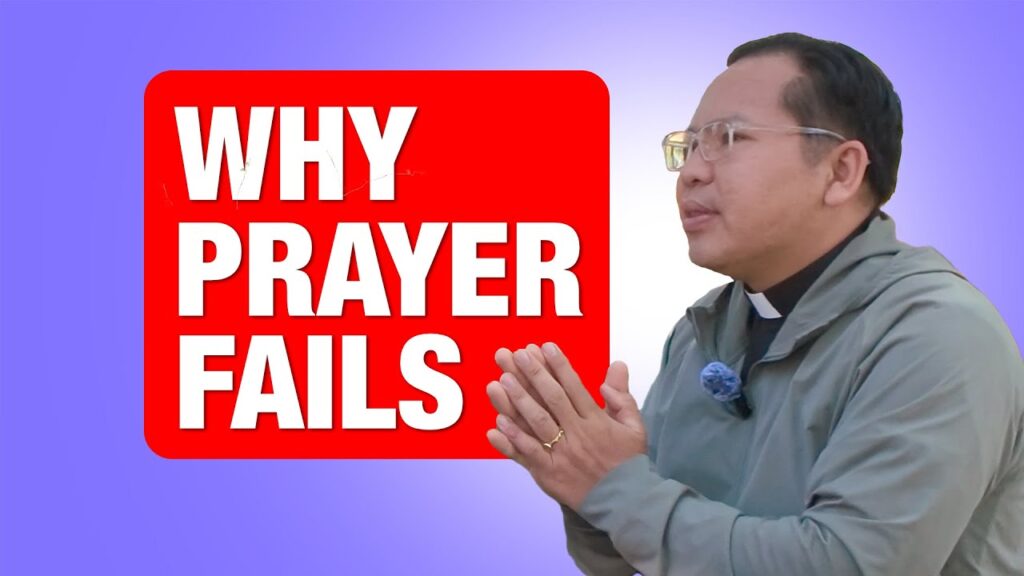
Does God answer every prayer? In this short conversation, a Catholic priest offers a simple three-part answer that many believers will recognise: sometimes immediately, sometimes later, and sometimes never.
Hans speaks with Father George, a Catholic priest from Myanmar who is studying spirituality in the Catholic Church. He describes how his tradition understands prayer, faith, forgiveness, meditation and what happens when we die, and he returns again and again to a few simple ideas: faith first, forgiveness as medicine, and love of neighbour as the way to peace.
What follows is Father George’s personal presentation of Catholic belief, shared as one voice among many on this channel. We do not offer it as a claim of proof, and it is not medical, psychological or pastoral advice. If you are struggling, please also reach out to a doctor, a counsellor or someone you trust.
A spirituality that is Christ-centred and lived in love
Father George describes Catholic spirituality as a relationship with God guided by the Holy Spirit, nourished by faith, prayer, moral life and love of neighbour. It is not separate from daily life, he says, but shapes how a person thinks, acts and loves according to the teaching of Christ. He draws on the Gospel of John, where Jesus says that God is spirit and that true worshippers worship in spirit and truth, and on the idea that we are to live by the spirit and not be ruled by the desires of the flesh.
Faith first, and the nearness of God
We cannot touch or see God with our senses, he says, so faith comes first. Through faith we believe that God exists, that he loves us and that he is not far away. That belief is what allows a person to pray as a conversation and to feel close. Human beings are limited, he adds, and it is only through grace that we can stand, speak and act. He points to the saints as people who grew closer and closer to God through this kind of communion.
Why some prayers go unanswered
This is the heart of the conversation. We all have desires, Father George says, and we need to distinguish between what we want and what we truly need, because getting what we want could be poison and even destroy our life. He passes on a teaching from the spiritual fathers that God answers prayer in three ways. A prayer is answered immediately when it comes from real need and strong faith. It is answered later when it is more of a want than a need for the time being. And it is never answered when what is asked would be harmful. If we trust God and pray for what we truly need, he says, God will provide, though faith must be strong. He illustrates this with the Gospel story of the woman who touched Jesus’ cloak in a crowd and was healed because of her faith.
Forgiveness as medicine
Father George says we all fall short and so we all need forgiveness, both from God and from other people. Unforgiven guilt, he suggests, is like poison inside us, and holding on to resentment keeps us from being relieved or happy. At the same time we need to forgive others, which can be hard and for which we may need to pray for grace. He points to Jesus on the cross, who asked the Father to forgive those who did not know what they were doing, as the example of a spirit full of love.
Meditation as prayer
In his tradition, meditation is a kind of prayer: being alone with God in a quiet place. He describes a movement that begins with recalling God’s name and his holiness, giving thanks, asking pardon for our anger and pride, and only then bringing forward what we need. After speaking, he says, we need to listen, especially through God’s word. For listeners from other traditions who know stillness practices, it is interesting to see how this resembles an inward turning, though in his framing it is always a relationship with a personal God.
What happens when we die
Asked about death, Father George says it is not the end. As he explains Catholic belief, the soul separates from the body and faces a particular judgment, with only two final destinations, heaven and hell, and a state of purification he names purgatory for those who are not yet ready for heaven. At the end of time, he says, there will be a resurrection of the body and a final judgment. He stresses that God is merciful and that his love is greater than our sins. These are the teachings of his church as he presents them, and other traditions on this channel describe death differently.
Harmony, respect and mutual love
He closes with a practical message that reaches beyond any one faith: if we want peace, we need harmony, and harmony needs respect, empathy, sympathy, kindness and mutual love. Whatever we believe about the life to come, he says, that spirit can shape how we live together now.
A short reflection
The idea that not every wish is a need is a thoughtful one, and it echoes a theme that appears in contemplative traditions of many kinds: that stepping back from craving can show us what actually matters. Watch the full conversation above and tell us what you make of Father George’s three answers to prayer. For more conversations like this one, see our interviews.